
Purplebricks app
Building an agnostic product
Main objective
Develop a cleaner, more efficient process for an existing product, with a focus on long-term evolution and scalability.
Task
Refinement begins by breaking the app down into its core user journeys. Each journey supports business-critical KPIs while representing key moments of interaction for the customer. Balancing these two perspectives is essential — delivering a smooth, low-friction experience for users while ensuring the product remains valuable, sustainable, and aligned with business objectives.
Key focus areas
- I refined processes using insights from analytics, customer feedback, and direct research into user pain points. The aim is to design an agnostic product that can be rolled out across markets and regions, while remaining flexible enough to incorporate local knowledge and regional requirements where needed.
- A strong focus on accessibility and scalability is essential for the Purplebricks app. We refine processes using insights from analytics, customer feedback, and direct research into user pain points, ensuring the experience is inclusive, intuitive, and usable for the widest possible audience.
- At the same time, the app is designed to scale — supporting growth across markets and regions through an agnostic product approach that allows for consistent core experiences, while accommodating local knowledge and regional requirements where necessary.
Pre-sprint: Filling the toolbox
Before development begins, I review existing resources to inform research and design decisions. This includes analysing data to identify inefficiencies or “leaks” in the system, mapping existing user journeys where they exist, and benchmarking against competitors to understand what works well and where improvements can be made.
I also conduct surveys, questionnaires, and guerrilla testing to validate assumptions and gather real user insight. This structured approach ensures the product remains user-centred and scalable, while laying the groundwork for continuous improvement and future growth.
- Analytics to spot the leaks in the bucket
- Journey mapping the existing flow (if it exists)
- Bench marking against competitors good and bad
- Surveying / Questionaires / Guerrilla testing
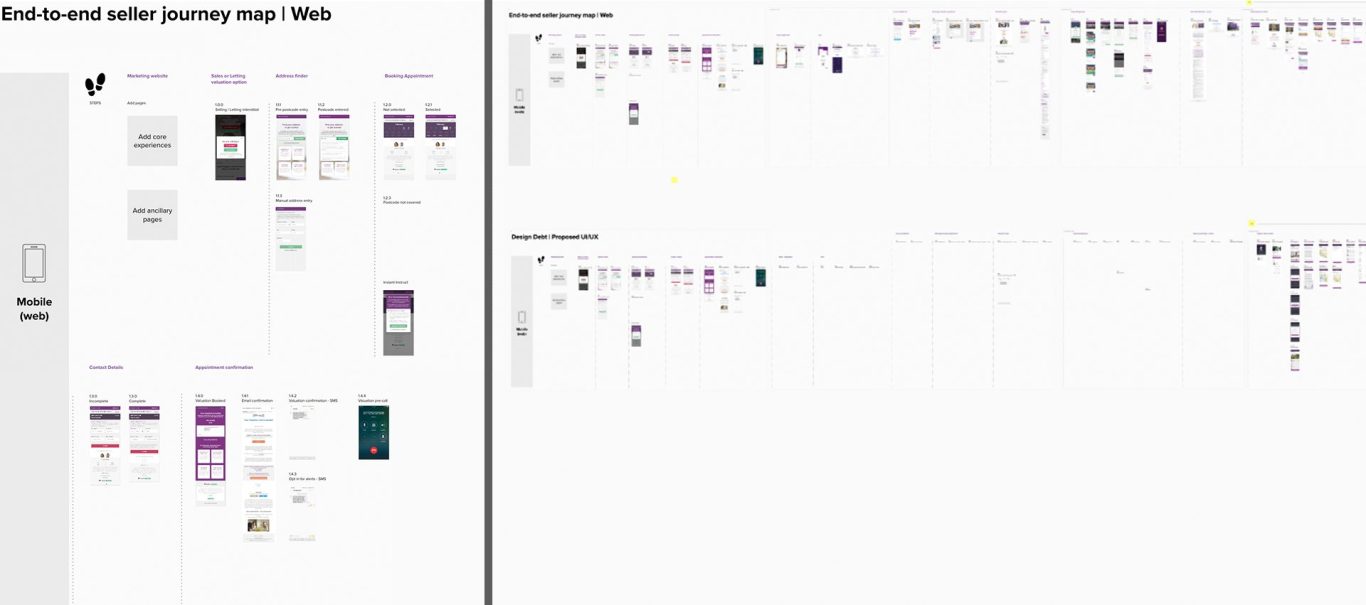
Journey mapping
Understanding the Current State
I start by understanding how things are done today and, just as importantly, why they were designed that way in the first place. Alongside user research, uncovering the rationale behind existing solutions is critical.Technical constraints and a clear understanding of how the platform and its components interact have a significant impact on what can realistically be considered in future solutions.
These insights can also highlight the need for changes to wider infrastructure, which may carry broader implications in terms of cost, complexity, and long-term maintenance.
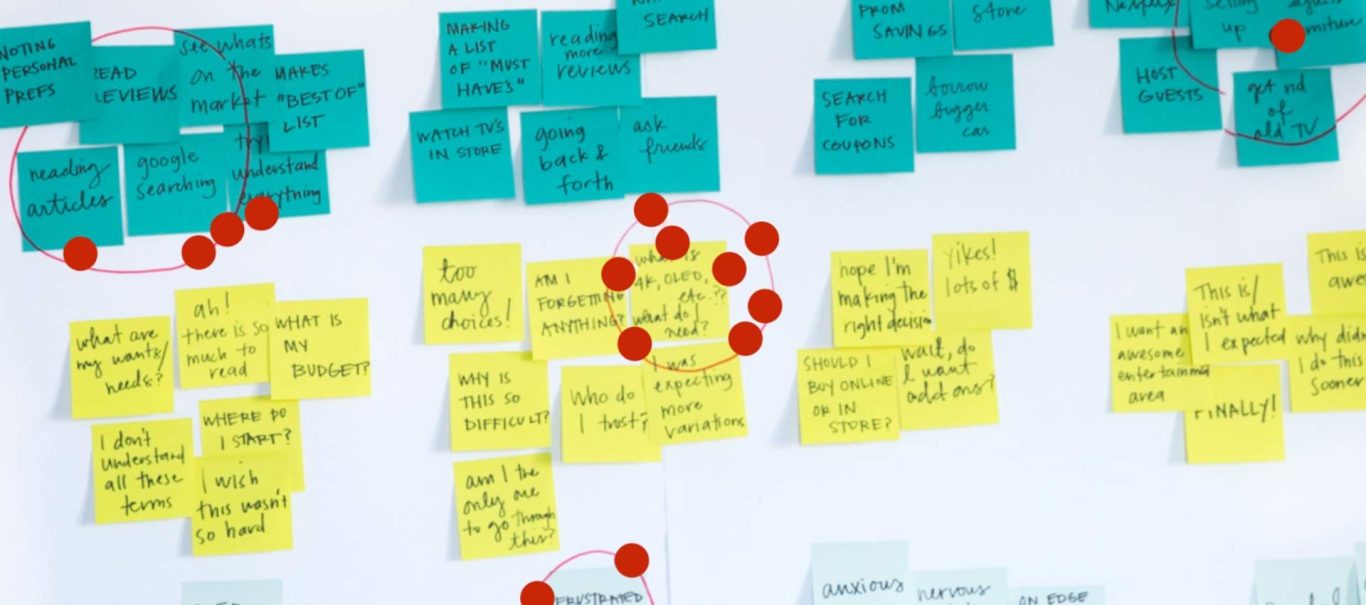
Discovery: understanding
Prior to the five-day sprint, I broke the project down into the app’s key components: Buying, Selling, Viewings, Customer Account, and Contact/Help. Sprinting on each area separately allowed me to focus more thoroughly on critical details without losing sight of the wider experience.
This approach also made it possible to involve the right people at the right time, helping to minimise disruption while still benefiting from cross-functional input during workshops. At this stage, nothing was off the table. While the base app was an iteration of an existing product, I intentionally created space to explore scalable ideas and structural improvements that could significantly shape the product’s future.
As property sales represent the largest revenue driver for the business, Selling became the first sprint and primary area of focus. Customer pain points and broader experience considerations were also factored into the initial strategy, ensuring priorities were balanced across both business impact and user need.
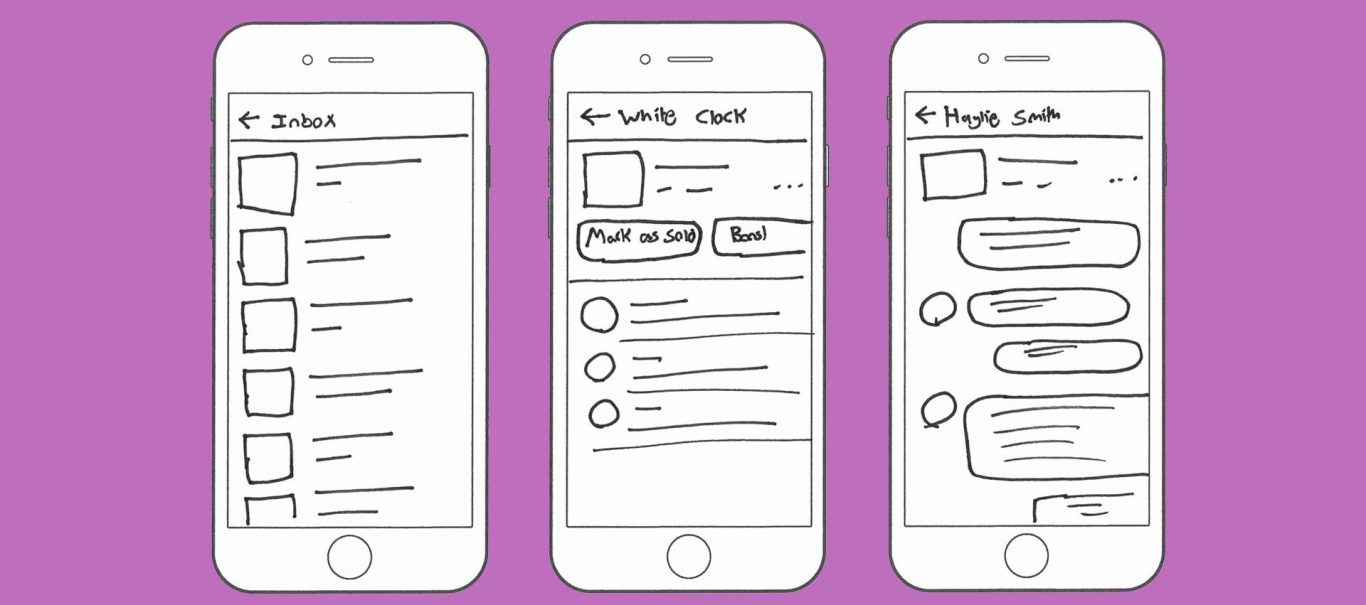
Define: Planning our direction
Having built a clear understanding of the best way to approach the process, and a shared view of what “good” looks like, I begin to plan how to evolve the current product into something stronger. Benchmarking, comparisons, and the synthesis of ideas are used to articulate perspectives and explore potential directions.
Early-stage concepts are explored through rough wireframes, helping to communicate ideas quickly and provide clarity around information architecture before moving into more detailed design.
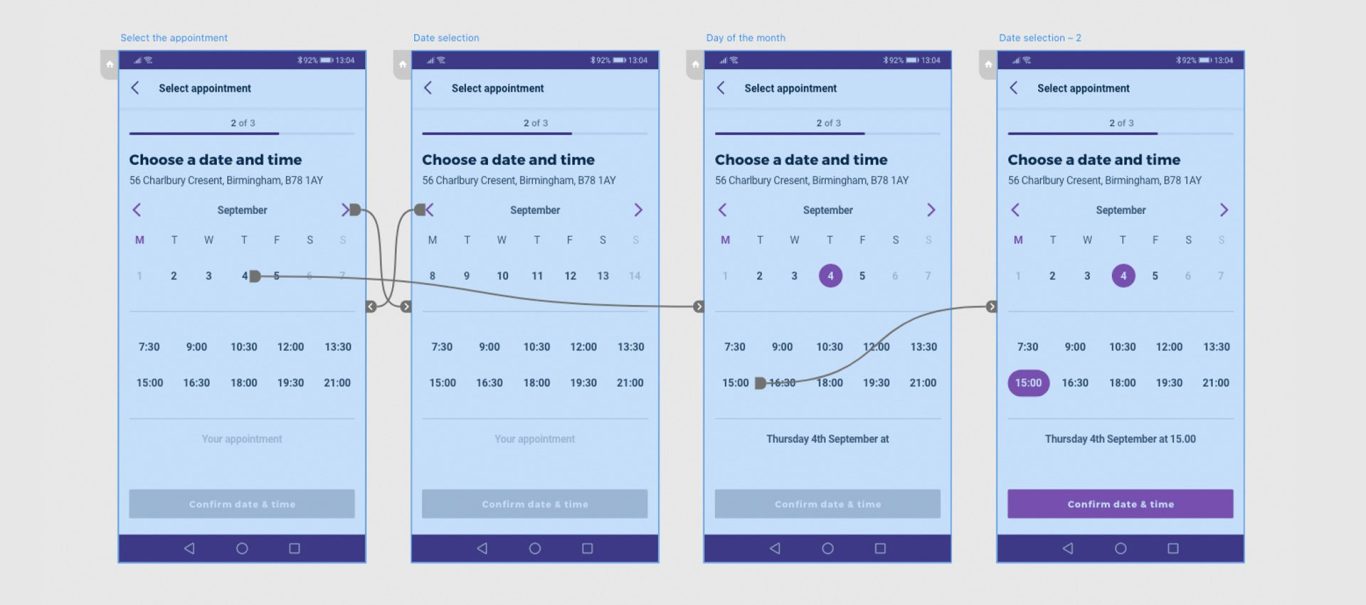
Delivery: Test and learn
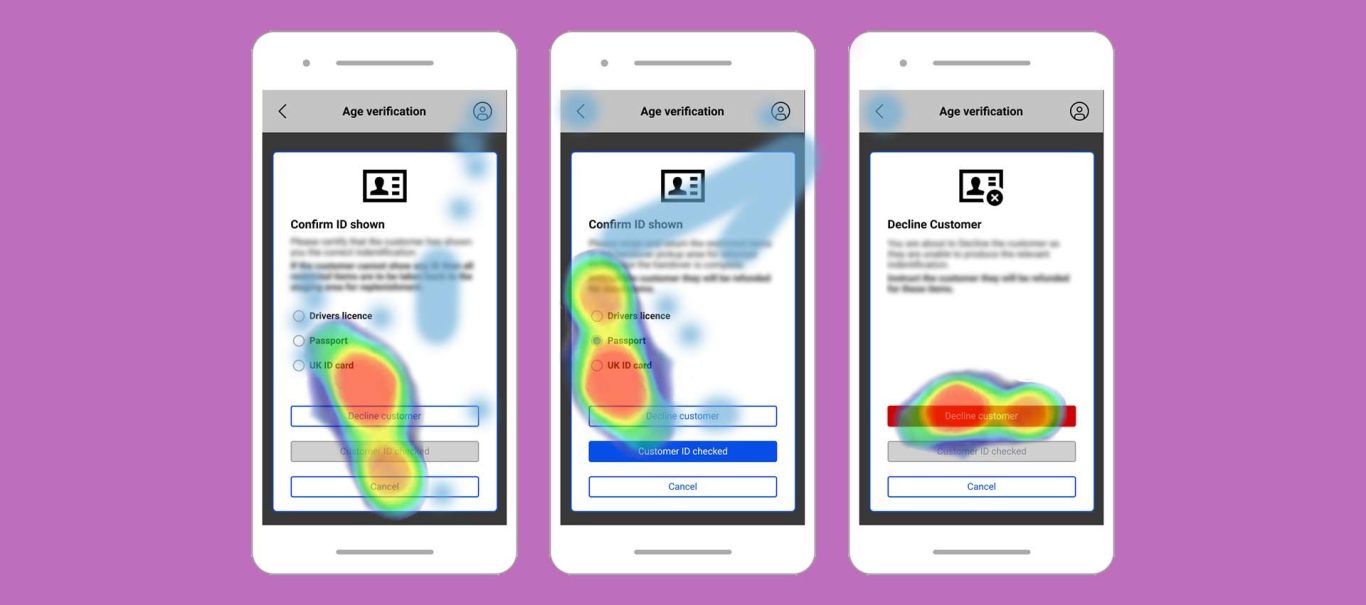
Design take the lead in the development of a prototype(s) of the flows we would like to do along with the our floating team of specialist to keep us honest and review the product as we go along. This way their confidence can grow as our product becomes real. We can then test it and share the results and analysis.
Review: Synthesis reviewed and away we go
Design take the lead in the development of a prototype(s) of the flows we would like to do along with the our floating team of specialist to keep us honest and review the product as we go along. This way their confidence can grow as our product becomes real. We can then test it and share the results and analysis!
From alignment to delivery
Once I have alignment from teams, insight from customer feedback, and a clear design direction, the next step is to move into high-fidelity design. I develop detailed, production-ready designs supported by clear specifications and accurate UI, ensuring everything is ready for build and integration into the product.
Responding to negative feedback
If customer research highlights issues or negative feedback, the sprint framework allows space to respond quickly. At this stage, only a short period has been spent exploring research, analytics, and shaping direction, which means I can return to discovery, focus on areas of failure, and refine or rethink the approach. This may reveal that the direction needs adjusting, or that a different opportunity offers greater value crucially, these insights surface early, before the product is fully in flight.
Learning through test and learn
The test-and-learn phase is not about having all the answers. Instead, it enables the launch of a considered product and creates the opportunity to learn from real-world usage. Failing fast and iterating with intent is a core part of my process I’m comfortable being proven wrong, as each insight brings the product closer to the right solution.
Outcome
The app is finally launched so what now?
Analytics played a key role over the following month, focusing on drop-out rates within the primary “Selling a House” flow. This analysis showed a 31% reduction in drop-outs, alongside a 12% decrease in call-centre enquiries related to customer support.
Next steps
Conduct customer surveys to assess whether previous pain points persist and to understand the impact of the changes across a broader audience. Further research will also be undertaken to identify opportunities for additional automation to better guide customers through the journey.